Customer Experience became a profession around seventeen years ago. So it is reasonable to ask a pretty uncomfortable question: what has the CX industry actually achieved?
The timing is almost too perfect. In 2009, Forrester held its first dedicated Customer Experience Forum. In 2011, the CXPA was founded as CX became a profession in its own right.
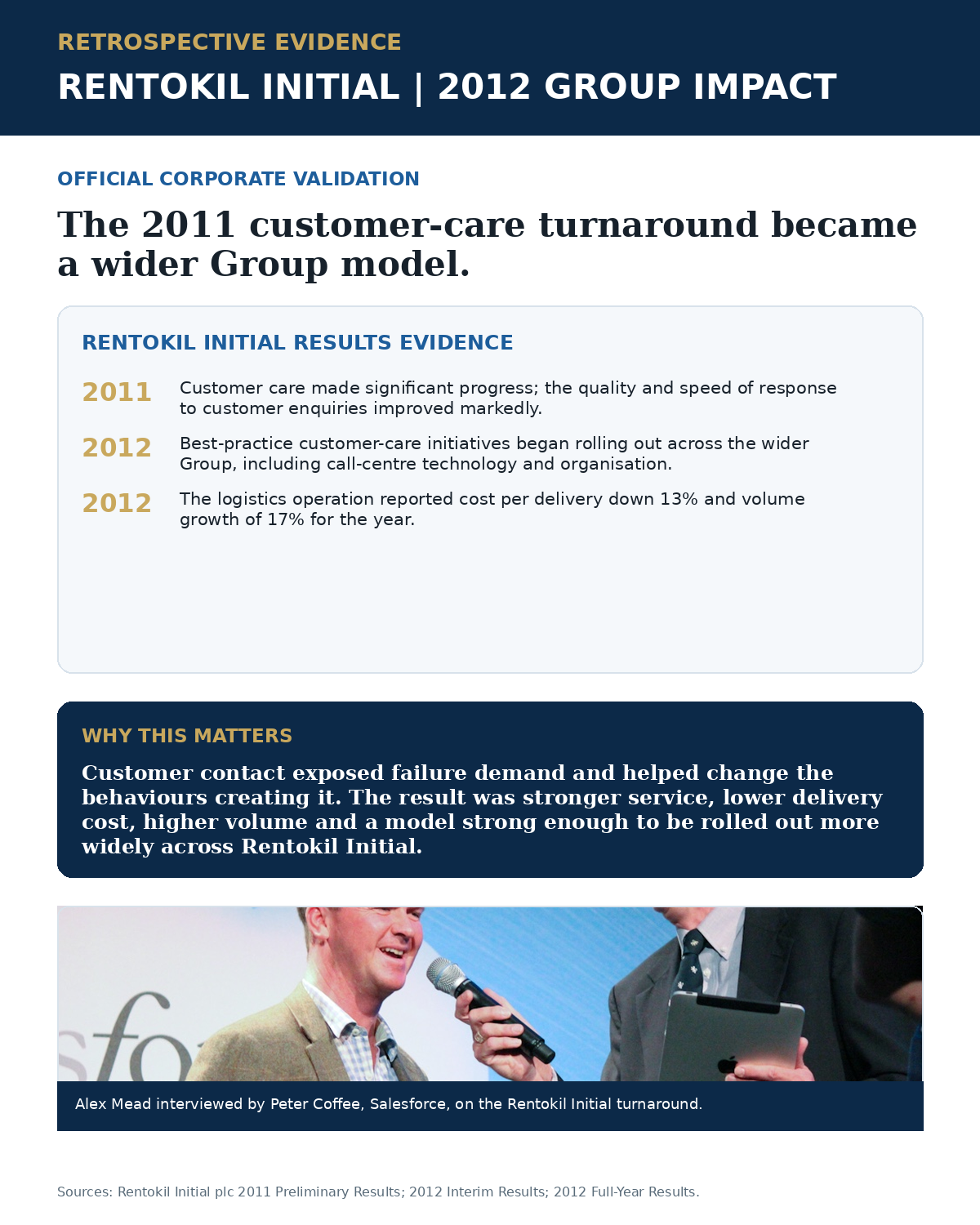
At almost exactly the same time, I was being interviewed about turning around two badly broken customer operations. In 2009, Frost & Sullivan interviewed me after we transformed Ticketmaster. In 2012, after the 2011 turnaround of Rentokil Initial’s global logistics operation, I was being interviewed again about what we had changed.
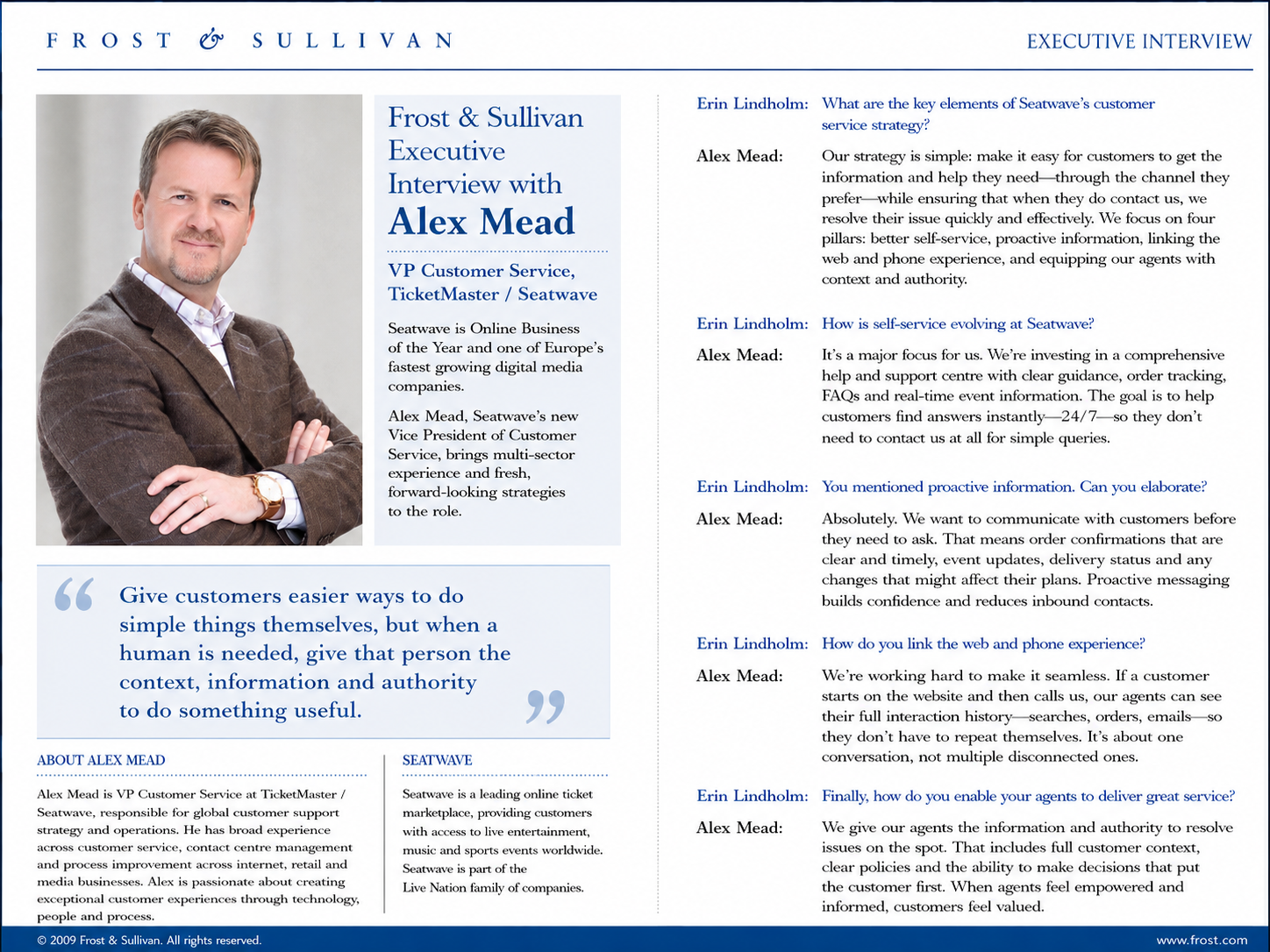
What was I saying then, on the record?
Give customers easier ways to do simple things themselves, but when a human is needed, give that person the context, information and authority to do something useful.
The starting points were ugly: abandonment through the roof, unfulfilled orders, late tickets and deliveries, spiralling refunds, poor information and huge customer frustration. Within six to nine months, we had transformed both operations from crisis to industry recognition.
At Rentokil Initial it went far beyond answering calls faster. We used customer contact to expose and fix the operational causes of failure: root-cause analytics surfaced false carding, failed delivery attempts and avoidable demand, and then we changed the behaviour that created the contact. Ending false carding meant bringing the GPS evidence to all 74 depot general managers and 7 network directors and working with them to resolve it. Successful delivery attempts rose at least 13% a day, and Rentokil Initial plc’s 2012 annual report records City Link achieving a 13% reduction in cost per delivery on volume growth of 17%. The report also says that following the successful introduction of customer care technology in City Link the group had begun rolling out best practice more widely.
And what was I talking about across both? Better self-service. Proactive communication. Channels behaving as one journey. No repetition. Employees with the context, information and authority to solve the problem.
Easy. Personalised. Intuitive. Contextual. EPIC, before I first called it EPIC.
That is what I find almost insane. Seventeen years of CX departments, journey maps, NPS programmes, conferences and methodologies later, customers are still repeating themselves, channels still lose context and employees still cannot see information their own organisation already holds.
An entire profession has been built around Customer Experience, but too often it has failed to change the operating reality underneath it. If you can map a journey but cannot change the people, process, technology, commercial model and leadership required to deliver it, you are designing the promise rather than fixing the experience. Real CX should improve service, sales, retention, cost and customer value.
What blows me away now is what GenAI can do to supercharge those principles. EPIC did not start with AI. The foundations came first and they worked. GenAI can now bring context, intent, knowledge, orchestration and intelligent human handoff together at a scale that was incredibly difficult back then: this was thirteen years before ChatGPT existed.
Overlay AI onto broken journeys, processes and promises and you simply make a bad operating model more sophisticated.
AI did not invent the answer. It removed the excuse.
After seventeen years, perhaps CX does not need another methodology. It needs to prove it can change the operation and deliver the outcome. The working demonstrations on this site, the cruise operating model, the regulated banking build, the concierge answering on every page, are my answer to that test: the same principles, finally deliverable at scale.